
The nervous system has a bit of a PR problem. It’s usually only mentioned when something feels wrong. Anxiety. Stress. Burnout. Overwhelm. Cue the sigh.
But underneath all that, nervous systems are actually fascinating, clever, and sometimes a little weird in the best possible way.
So let’s give it the airtime it deserves!
Here are 23 fun facts about the nervous system. Some might make you rethink why your body does what it does, a few will make your inner nervous system nerd very happy – and some are just plain weird.
1. Your nervous system is always listening, even when you are asleep
Your brain never fully clocks off. While you sleep, your nervous system continues to monitor your internal and external environment for signs of danger. That’s why a baby crying can wake a parent instantly, while background noise like traffic fades into the background.
Sadly, this system has not yet learned how to reliably tune out your partner’s snoring. Apparently, the nervous system considers that a potential threat.
2. Your Nervous System decides if something is safe before you consciously think about it
This happens automatically and subconsciously. Your nervous system is constantly scanning your environment and making split-second decisions about safety or danger before your thinking brain gets involved. We call this “neuroception”.
3. Your brain contains around 86 billion neurons
A number so large we mostly just say “billions” and move on with our day. And those neurons aren’t lounging about. They’re busy firing, wiring, and running the most complex system you’ll ever own.
4. Your vagus nerve connects your brain to your gut
The vagus nerve is the longest cranial nerve in the body, running from your brain stem down through your chest and into your digestive system. Your brain and gut are in constant communication – and this is one reason stress can affect digestion so quickly.
5. Most information in the vagus nerve travels from the body to the brain
About 80 percent of vagus nerve signals go upward, not downward. Your brain is constantly listening to your body, not just issuing commands.
6. Babies Depend on other nervous systems to feel safe
Infants cannot self-regulate. They borrow regulation from caregivers through voice, touch, and presence. In time, through healthy co-regulation, they develop the ability to self-regulate.
7. Humans regulate best in connection with others
Our nervous systems are social by design. Safe eye contact, facial expressions, and tone of voice all help signal safety and support regulation.
8. Laughter is A secret nervous system hack
Laughing flips the switch from fight-or-flight to “all safe here.” Which means laughing at your dad’s jokes, watching ridiculous cat videos, and digging out some vintage Adam Sandler films is technically nervous system care.

9. Your nervous system affects how you experience pain
Pain is not just a tissue issue. A sensitised nervous system can amplify symptoms from an injury and keep the pain cycle going long after the tissues have healed.
10. Animals Know how to reset their nervous systems
You’ll may have noticed animals shaking after a stressful event. This physical discharge is often called “neurogenic tremoring” and helps their nervous system reset. Humans have the same instinct, but we tend to suppress it, which can keep stress “stuck” in the system. You know how society has trained us to say “I’m fine” even when our world is crumbling? Instead of saying “I’m fine”, try having a good shake.
11. The human brain uses about 20 percent of your total energy
Despite making up only around 2 percent of your body weight, your brain consumes roughly a fifth of your energy. Thinking is metabolically expensive.
12. A Jellyfish has no brain at all
Jellyfish have a diffuse nerve net instead of a central brain. No thoughts. No plans. Just vibes and reflexes. And yet they have survived for over 500 million years.
13. Your spinal cord can make decisions without your brain
Reflexes like pulling your hand away from a hot surface happen at the spinal cord level. Your body reacts first, then your brain gets the update. Speed over waiting for brain approval.
14. Stress responses evolved before humans existed
Your stress responses are really old-school. Fight, flight, and freeze showed up in vertebrates hundreds of millions of years ago, long before humans existed. So when your body freaks out over a tight deadline or a spilled coffee, it’s actually running ancient survival software designed for lions and saber-tooth tigers, not modern life.
15. Octopuses have more neurons in their arms than in their brains
About half of an octopus’s neurons are in its arms, not its central brain. Each arm can sense, explore, and react independently. Basically, their arms can “think” for themselves. A bit cool, a bit creepy.
16. Chronic stress can keep the nervous system stuck in protection mode
When stress is ongoing, your nervous system can get stuck on high alert, making it hard to come back to baseline. Healing and recovery happens when the body feels safe, so chronic stress – when you’re constantly in fight, flight, or freeze – can slow sleep, digestion, immune function, hormone balance, and recovery.
17. Some animals can regenerate parts of their nervous system
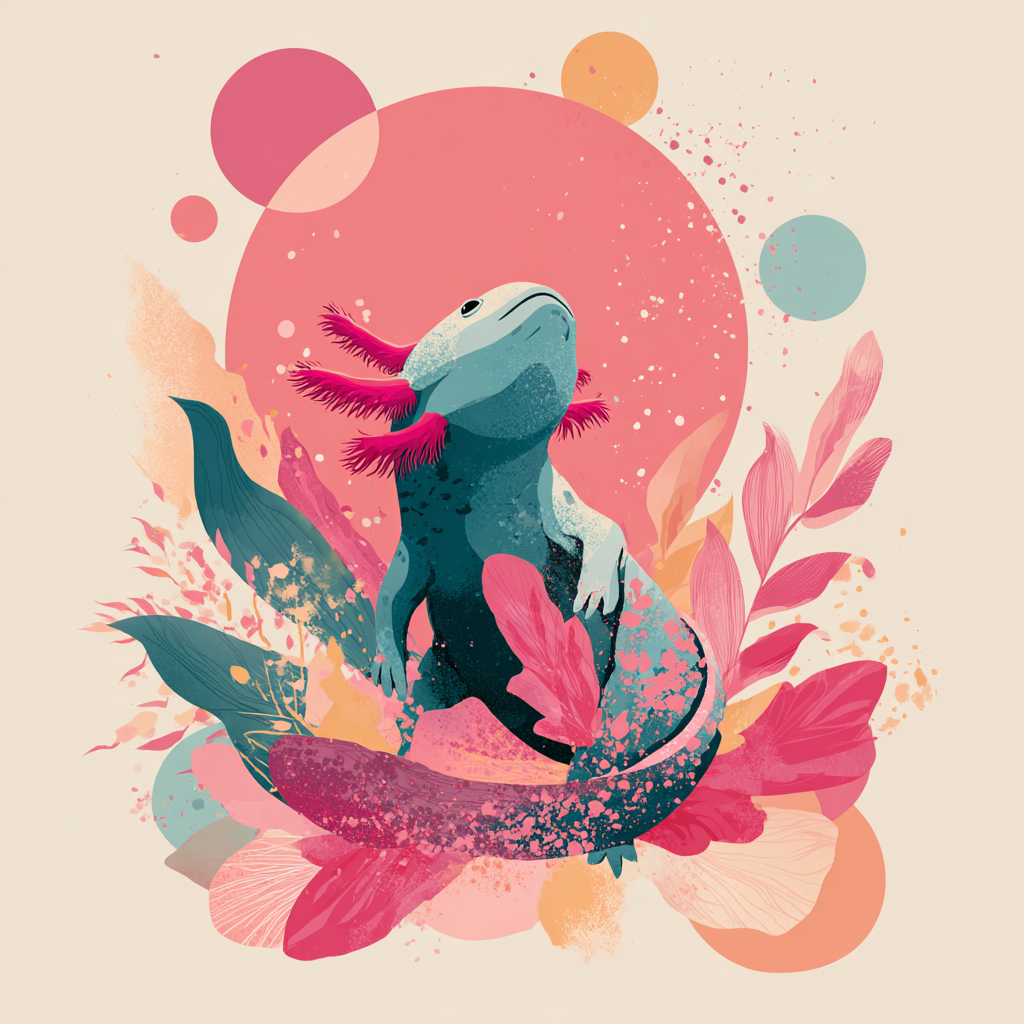
Axolotls can regrow spinal cord tissue, nerves, and even parts of their brain. Humans, sadly, did not get this particular upgrade.
18. Nervous system Regulation does not mean feeling calm all the time
A regulated nervous system still experiences stress. The difference is flexibility and recovery. Stress comes and goes naturally, instead of becoming the default state.
19. Your nervous system is not trying to sabotage you
Even when in a state of fight, flight, or freeze, your nervous system is just trying to protect you using what it knows from past experiences. Regulation helps it learn when you’re actually safe, so it can relax instead of staying on high alert.
20. Your heart has its own mini nervous system
The heart contains around 40,000 neurons and can send signals back to the brain. It does not think, but it absolutely communicates.
21. Sound directly affects nervous system regulation
Some sounds tell your nervous system ‘you’re safe,’ while others scream ‘danger!’ That’s why voices, music, and everyday noises can really affect how calm or stressed you feel. Mid-range tones – like a gentle, melodic human voice – signal safety and can actually help your body settle. These are exactly the frequencies the Safe and Sound Protocol uses to help reset your nervous system!
22. Your Middle Ear Muscles Help You Tune Into Safety
The tiny muscles in your middle ear act like sound gatekeepers. They help your brain tune into safe sounds, while filtering for threatening noises. When these muscles aren’t working properly, your nervous system can start treating ordinary sounds as threats. Everything feels louder, sharper, or more overwhelming, which keeps your body stuck on high alert and makes it harder to relax, sleep, or feel safe.
23. Your nervous system can misinterpret safety as danger
After chronic stress or trauma, your nervous system can start seeing ordinary, safe things as threats. This isn’t in your head – it’s just your body trying to protect you. With repeated experiences of safety, gentle challenge, and rhythm, your system can relearn what’s safe and become more flexible and resilient over time.
And there you have it – 23 fun facts about the nervous system, from the neurons firing in your brain to the clever tricks animals use to survive and thrive. Your nervous system is constantly at work, keeping you alive, helping you connect, and even telling your gut when it’s safe to digest. It’s complex, fascinating, and – sometimes a little weird. But now you know a bit more about the incredible machinery running behind the scenes every second of your life!
Want to know how the Safe and Sound Protocol supports your nervous system? Check out this article!