SSP Wellness Center
When people talk about perimenopause, the conversation usually circles around hot flashes, insomnia, brain fog, and hormones. And yes, all of that really matters.
But for many women, the most destabilizing changes aren’t happening in the body alone. They’re happening at the relationship level.
It can look like suddenly not being able to tolerate what you’ve tolerated for twenty years.
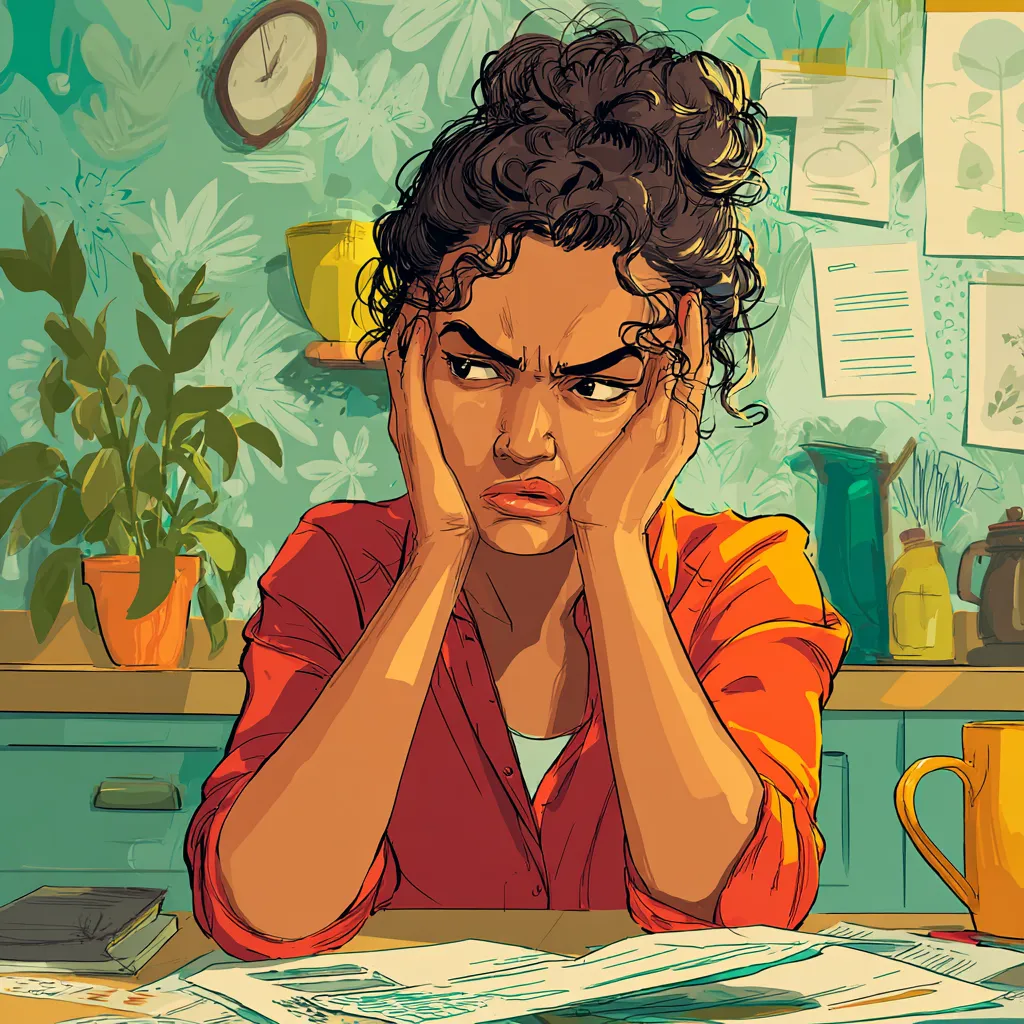
Like flashes of perimenopause rage when you abandon your own needs yet again.
Like thinking, “I can’t keep doing this,” and not being entirely sure whether “this” is the dishes, your job, your marriage, or the entire emotional structure of your life.
This article explores the relational side of perimenopause: why tolerance drops, why everything can start to feel so big, and how nervous system changes at midlife can bring long-standing emotional and relational patterns to the surface.
Let’s take a look at what might be happening, so we can understand and support ourselves (and each other) better.
Perimenopause Is Not Just Hormonal, It’s Relational
For many women, midlife is not just hormonal. It is relational.
When you experience those intense feelings of perimenopause rage or anxiety, it’s often your body signaling that it can no longer tolerate constant overdrive. The nervous system says, quite abruptly, “No more.”
For years, many of us have carried emotional load.
The invisible labor.
The smoothing over.
The remembering.
The anticipating.
The regulating of other people’s moods.
The making sure everyone is alright.
The laundry, the kids, the career, the dog, the birthdays, the appointments, the in-laws.
We are trying, collectively, to rewrite that story. There is a growing movement toward shared emotional responsibility.
And yet, it keeps creeping back in.
Midlife often exposes this. Not because women are becoming unreasonable, but because the coping strategies that kept everything and everyone else afloat are no longer sustainable.
When Tolerance Drops
Hormonal shifts change neurotransmitters.[*] They change sleep. They change mood. They change stress tolerance.
And when stress tolerance drops, what used to feel manageable suddenly feels impossible, and really irritating.
- Small comments feel sharp.
- Ongoing patterns feel intolerable.
- Teenage eye rolls feel like personal attacks.
- Workplace politics feel absurd.
- Long-standing marital dynamics feel suffocating.
- …And don’t even mention the sound of someone chewing.
This is often when women scream, “I just cannot take the crap anymore.”
And that rage is usually interpreted as mood instability.
Sometimes it is.
But sometimes it is a newfound clarity.
The nervous system is often the first system to register that something has been out of balance for a very long time.[*]
If we frame this purely as “hormones gone wrong,” the message subtly becomes: You need to fix yourself.
Get the right supplements.
Exercise more.
Meditate.
Take hormones.
Do breathwork.
Eat clean.
Optimize everything.
Worse still: put up and shut up.
While these approaches (barring the last) are highly supportive, there is a risk they become yet another chapter of women doing all the work so the relational system around them doesn’t have to change.
That isn’t fair on women.
It isn’t fair on men.
And it isn’t fair on children.
Because when one person is carrying the emotional regulation for the entire system, nobody actually thrives.

Where the Nervous System Fits In
The nervous system is the link between hormonal change, emotional reactivity,[*] and relational strain.
Its job is simple: to constantly assess whether you are safe or under threat, and to adjust your body and behavior accordingly. It does this automatically, based on internal signals (like hormone fluctuations, fatigue, pain) and external ones (like conflict, noise, demands, and emotional pressure).[*]
During perimenopause, the nervous system often becomes more sensitive and more easily dysregulated. Hormonal shifts can increase awareness of what’s happening inside your body, while lowering tolerance for what’s happening around you[*], including, at times, the sounds your husband makes just by existing.
This heightened state can disrupt sleep, reduce stress tolerance, and make it harder for the system to settle once it’s been activated.
As a result, situations that were once manageable can start to feel overwhelming or intolerable. Sometimes that’s because your buffer genuinely is smaller. And sometimes it’s because midlife has a way of shining a light on things that were never actually okay, just tolerated.
What Does a Regulated Nervous System Look Like?
A regulated nervous system doesn’t mean feeling calm all the time. It means flexibility: the ability to become appropriately activated when something matters, and then to settle again. To feel irritation without exploding. To notice discomfort without collapsing. To respond rather than react.
When the nervous system has enough capacity, it becomes easier to:
- Pause before responding
- Communicate more clearly
- Stay present during conflict
- Tell the difference between a momentary trigger and a long-standing pattern
- Make decisions from awareness rather than overwhelm
This is why nervous system support can be so valuable at midlife. Not to suppress change or dampen emotion, but to give the body enough internal steadiness to navigate relationships, boundaries, and transitions without burning everything down.
Unsure if you have a dysregulated nervous system? Give this article a read.
Why Everything Starts to Feel So Big in Perimenopause
When the nervous system is dysregulated in perimenopause, everything can feel urgent.
The urge to storm out.
The urge to quit.
The urge to say something explosive.
The urge to shut down completely.
The urge to leave everyone and everything and move to a desert island with Chris Hemsworth. Swoon

But underneath it all is often a deep, familiar exhaustion.
Exhaustion from years of disappearing.
Years of anticipating.
Years of carrying dynamics that were never fully named or addressed.
Perimenopause has a way of shining a light on this exhaustion, bringing long-buried feelings and patterns to the surface. This can show up as:
- Old resentments
- Old grief
- Old compromises
- Unmet needs
- Identity questions
Questions like, “Who am I if I’m not the one holding everything together?”
This isn’t you “losing it.” It’s information.
But if we don’t understand what’s happening physiologically, it’s easy to make major life decisions from a place of overwhelm rather than steadiness.
That’s where nervous system work like SSP and somatic coaching come in. Not to suppress change or talk ourselves into tolerating what hurts, but to increase capacity, so decisions are made with awareness, not collapse or confusion.
Regulation in Relationships Starts with You
We talk about nervous system regulation because it’s so foundational.
When we’re in fight or flight, freeze, or that wired-but-brittle state, we don’t think clearly. We don’t communicate well. We lose our sense of proportion.
Regulation supports your most important relationships, starting with the one you have with yourself.
When your system has more steadiness, it becomes easier to tell what is actually yours and what belongs to someone else. You can notice, “That comment hurt,” without detonating the room. You can say, “I need something different,” without walking out altogether. You can recognize that your body isn’t just reacting to the moment, but to a pattern that’s been building over time.
From that place:
- Conversations can shift
- Boundaries become clearer
- Requests become simpler
And yes, sometimes relationships do change or fall away. But when they do, the change comes from awareness rather than reaction.
The Emotional Load Conversation
Let’s discuss something that often goes unspoken: emotional load.
For generations, women have been socialized to carry it. We’ve been taught to anticipate needs, smooth over tension, and manage other people’s feelings. Many men were not taught these skills in the same way.
When women begin to reclaim themselves in midlife, it can feel unsettling to those around them. But this shift isn’t an attack; it’s an invitation.
As the nervous system recalibrates during perimenopause, the impact isn’t limited to one body. It can ripple through the whole relational system, changing how you respond, how others respond, and how dynamics play out.
If we focus only on “fixing” hormones or symptoms (sleep, mood, stress), we risk missing the bigger opportunity: healthier, more balanced relationships.
When emotional labor is shared more evenly, everyone benefits:
- Children see healthier modeling of emotions and boundaries[*]
- Partners develop greater emotional awareness and resilience[*]
- Women stop running on empty
So What Does Support Look Like?
In practice, the work we do sits alongside medical care. Hormones can be essential. Sleep matters. Nutrition matters. Movement matters.
But this isn’t a checklist, and it isn’t about turning women into self-optimization projects.
It’s about one-to-one somatic coaching and nervous system support that helps each woman understand her unique triggers, patterns, and relational dynamics. It’s about building enough internal steadiness to navigate midlife without burning out.
Sometimes that looks like:
- Learning to say no without apology
- Pausing before responding
- Realizing that what feels like rage is actually grief
- Acknowledging that something genuinely needs to change
And doing so from capacity, not collapse.
Midlife Is Not a Malfunction
Perimenopause is a transition, a recalibration, and clarity of what your nervous system will tolerate.
The question isn’t only, “How do I get back to who I was?” It can also be, “Who am I becoming, and what does my nervous system need to live that honestly?”
Approaching midlife with curiosity, self-awareness, and a bit of support can make all the difference. As someone who truly understands this work from both personal and professional experience, I can help you navigate these changes with steadiness, making decisions from awareness rather than overwhelm.
Ready to explore your next steps? Grab a free chat below and we’ll figure it out together.